Stomach Cancer Treatment in China
Stomach cancer is the fifth most common cancer worldwide, with about 980,000 new cases a year, around 71% of them in Asia [1]. China recorded about 359,000 new cases in 2022 [2]. Large Chinese trials have shaped treatment: CLASS-01 showed that laparoscopic distal gastrectomy is as effective as open surgery for locally advanced disease [3] [4], and RESOLVE showed that S-1 plus oxaliplatin (SOX) chemotherapy, given around or after surgery, improved 5-year survival compared with standard capecitabine plus oxaliplatin after surgery [5]. In June 2026, China approved satri-cel, the world's first CAR-T therapy for a solid tumour, for advanced CLDN18.2-positive stomach cancer [10] [17]. We can send your records to Prof. Jiafu Ji or Prof. Lin Shen of Peking University Cancer Hospital, who led the RESOLVE and satri-cel trials, or to Prof. Rui-Hua Xu of Sun Yat-sen University Cancer Center, get you a written treatment opinion, and arrange treatment in China if you decide to come.
- Specialists
- Prof. Jiafu Ji, Prof. Lin Shen, Prof. Rui-Hua Xu
- Typical time in China
- About 1–2 weeks for endoscopic removal; 3–4 weeks for surgery; about 3 months with chemotherapy before surgery
- Written opinion
- US$199, within 5 working days, with a cost estimate
Why patients consider China for stomach cancer
1. A large number of patients
China recorded about 359,000 new stomach cancer cases in 2022 [2], and around 71% of stomach cancers worldwide occur in Asia [1].
2. Trials led or joined by Chinese teams
| Setting | Study | Result |
|---|---|---|
| Locally advanced: laparoscopic or open surgery | CLASS-01, randomised, 1,056 patients, 14 centres in China, JAMA 2019 and JAMA Surgery 2022 [3] [4] | 3-year disease-free survival 76.5% laparoscopic vs 77.8% open — not inferior; 5-year overall survival 72.6% vs 76.3%, no significant difference |
| Locally advanced (cT4a N+ or cT4b): chemotherapy around surgery | RESOLVE, phase III, 1,094 patients, led by Peking University Cancer Hospital, Lancet Oncology 2025 [5] | 5-year overall survival 60.0% with perioperative SOX and 61.0% with SOX after surgery, vs 52.1% with capecitabine plus oxaliplatin after surgery |
| Advanced, first line: immunotherapy plus chemotherapy | Sintilimab plus chemotherapy (ORIENT-16), 650 patients, 62 hospitals in China, JAMA 2023 [6] | Median overall survival 15.2 vs 12.3 months; 18.4 vs 12.9 months when PD-L1 CPS was 5 or more |
| Advanced, first line: immunotherapy plus chemotherapy | Tislelizumab plus chemotherapy (RATIONALE-305), 997 patients, 146 centres in Asia, Europe and North America, BMJ 2024 [7] | Median overall survival 15.0 vs 12.9 months in all patients |
| Advanced, first line: bispecific antibody plus chemotherapy | Cadonilimab (PD-1/CTLA-4) plus chemotherapy, 610 patients, Nature Medicine 2025 [8] | Median overall survival 14.1 vs 11.1 months |
| CLDN18.2-positive, HER2-negative, advanced, first line | Zolbetuximab plus CAPOX (GLOW), global phase III, 507 patients, Nature Medicine 2023 [9] | Median overall survival 14.4 vs 12.2 months |
| CLDN18.2-positive, after at least two lines of treatment | Satri-cel (CAR-T) vs physician's choice, randomised, 156 patients, China, Lancet 2025 [10] | Median progression-free survival 3.25 vs 1.77 months; the first randomised CAR-T trial in a solid tumour; grade 3 or higher side effects in 99% (mainly low blood counts) and cytokine release syndrome in 95% |
More on Chinese PD-1 drugs and their prices: cancer immunotherapy in China.
3. Dedicated services for international patients
Sun Yat-sen University Cancer Center has an International Medical Center with its own area, where outpatients can book a named specialist [14].
Treatment options
Your plan is decided by the doctor after reviewing your endoscopy and pathology reports, CT scans and biomarker tests. The table shows common approaches.
| Situation | Common treatment | Treatment length | Approximate stay in China |
|---|---|---|---|
| Early, limited to the inner lining, suitable for endoscopic removal | Endoscopic resection (ESD or EMR) [13] | Usually a few days in hospital | About 1–2 weeks |
| Locally advanced, operable | D2 gastrectomy, laparoscopic or open [3], with chemotherapy before and after or after surgery, such as SOX or capecitabine plus oxaliplatin [5] [12] | About 1–2 weeks in hospital after surgery; chemotherapy in 3-week cycles for about 6 months [5] | About 3–4 weeks for surgery and recovery; about 3 months if 3 cycles of chemotherapy are given before surgery [5] |
| Advanced, HER2-negative | Chemotherapy plus PD-1 immunotherapy, depending on PD-L1 [6] [7] [12]; if CLDN18.2-positive, zolbetuximab plus chemotherapy may be considered [9] | Continuous, with regular assessment | First cycles in China; whether treatment can continue at home is decided by the doctor |
| Advanced, HER2-positive | Trastuzumab plus chemotherapy [12] | Continuous | As above |
| After at least two lines of treatment, CLDN18.2-positive (2+ or stronger in at least 40% of tumour cells) | Satri-cel CAR-T therapy [10] [11]; see CAR-T in China | Cell collection, manufacturing, infusion and monitoring | About 2–3 months |
Hospital stays and times in China are typical estimates. Your written opinion gives the plan for your case.
Specialists we can connect you with
These specialists can provide a written opinion or an outpatient appointment through us. This page was written by our medical team based on published research.
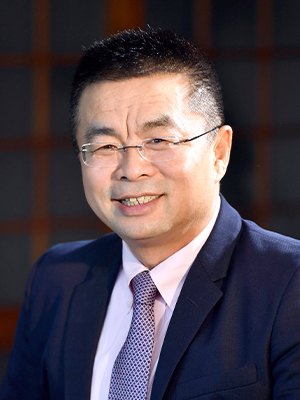
Prof. Jiafu Ji
Academician of the Chinese Academy of Engineering; Professor and Chief Physician · Gastrointestinal Cancer Center, Peking University Cancer Hospital
Surgery and multimodality treatment of stomach cancer
- Lancet Oncology 2025 (senior author): Perioperative or postoperative adjuvant oxaliplatin with S-1 versus adjuvant oxaliplatin with capecitabine in patients with locally advanced gastric or gastro-oesophageal junction adenocarcinoma undergoing D2 gastrectomy (RESOLVE): final report of a randomised, open-label, phase 3 trial — PubMed 39952264
- Nature Medicine 2025 (senior author): First-line cadonilimab plus chemotherapy in HER2-negative advanced gastric or gastroesophageal junction adenocarcinoma: a randomized, double-blind, phase 3 trial — PubMed 39843940
- JAMA Surgery 2019 (senior author): Assessment of Laparoscopic Distal Gastrectomy After Neoadjuvant Chemotherapy for Locally Advanced Gastric Cancer: A Randomized Clinical Trial — PubMed 31553463
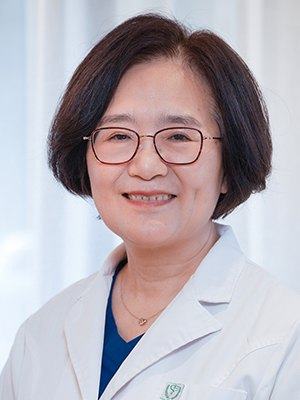
Prof. Lin Shen
Director, Department of Gastrointestinal Oncology, and Director, Phase I Clinical Trial Ward; Professor and Chief Physician · Department of Gastrointestinal Oncology, Peking University Cancer Hospital
Drug treatment of stomach and other gastrointestinal cancers, including immunotherapy and CLDN18.2 CAR-T therapy
- Lancet 2025 (senior author): Claudin-18 isoform 2-specific CAR T-cell therapy (satri-cel) versus treatment of physician's choice for previously treated advanced gastric or gastro-oesophageal junction cancer (CT041-ST-01): a randomised, open-label, phase 2 trial — PubMed 40460847
- Nature Medicine 2025 (first author): First-line cadonilimab plus chemotherapy in HER2-negative advanced gastric or gastroesophageal junction adenocarcinoma: a randomized, double-blind, phase 3 trial — PubMed 39843940
- Nature Medicine 2024 (senior author): Claudin18.2-specific CAR T cells in gastrointestinal cancers: phase 1 trial final results — PubMed 38830992

Prof. Rui-Hua Xu
President of Sun Yat-sen University Cancer Center; Academician of the Chinese Academy of Engineering; Professor · Department of Medical Oncology, Sun Yat-sen University Cancer Center
Drug treatment of stomach and other gastrointestinal cancers
- Nature Medicine 2023 (senior author): Zolbetuximab plus CAPOX in CLDN18.2-positive gastric or gastroesophageal junction adenocarcinoma: the randomized, phase 3 GLOW trial — PubMed 37524953
- Cancer Communications 2024 (senior author): The Chinese Society of Clinical Oncology (CSCO): Clinical guidelines for the diagnosis and treatment of gastric cancer, 2023 — PubMed 38160327
- Journal of Hematology & Oncology 2023 (senior author): Gastric cancer treatment: recent progress and future perspectives — PubMed 37245017
Hospitals
Peking University Cancer Hospital, Beijing
- Ranked in the top five for oncology in the China Hospital Specialty Reputation Ranking (2023) [15].
- Its teams led the RESOLVE trial [5] and the randomised trial of satri-cel [10].
Sun Yat-sen University Cancer Center, Guangzhou
- Founded in 1964 in Guangzhou; a Grade A tertiary cancer hospital, ranked in the top five for oncology in the China Hospital Specialty Reputation Ranking (2023) [15].
- Its medical oncology team wrote the 2023 Chinese Society of Clinical Oncology (CSCO) gastric cancer guidelines [12].
- Has an International Medical Center for international patients [14].
Costs
Your personal cost estimate is included in the specialist's written opinion.
| Item | China |
|---|---|
| Specialist's written opinion | US$199 |
| First visit, endoscopic resection, gastrectomy, chemotherapy | Quoted individually in your cost estimate |
| Immunotherapy (per cycle) | See Chinese PD-1 drug prices |
| Satri-cel CAR-T (list price per dose) | RMB 990,000 [16] |
| Accommodation near the hospital (28 nights) | Near Peking University Cancer Hospital, Beijing: budget hotel US$1,500–1,950. Near SYSUCC, Guangzhou: apartment-style room with fridge and washing machine, mostly US$750–1,000. |
| Food, local transport and other living costs (per person, per month) | About US$550–600 (around RMB 4,000) |
Accommodation: Trip.com prices for rooms within about 800 m (Beijing) or 400 m (Guangzhou) of the hospital, 28 nights from 7 December 2026, checked on 12 November 2026, including taxes and the discounts shown at the time. Prices change with dates and season. Living costs: Numbeo (Beijing, Guangzhou), November 2026. More on accommodation.
From first contact to starting treatment
- Send your records
Endoscopy and pathology reports, contrast CT, HER2, PD-L1 and CLDN18.2 results if available, treatment history. Same day - Initial review
A medical coordinator checks and translates your records. Within 24 hours - Specialist's written opinion
Recommended treatment and a cost estimate. Within 5 working days of receiving your complete records - Travel arrangements
Appointment, hospital invitation letter, visa support, accommodation and airport pickup. - Hospital visit
Consultation with the specialist, with additional tests if needed. - Treatment starts
A coordinator and interpreter support you throughout.
Frequently asked questions
What is the survival rate for stomach cancer?
It depends on the stage. In the CLASS-01 trial (tumours T2–T4a without bulky lymph nodes or spread, treated with D2 surgery), 5-year overall survival was about 73–76% [4]. In the RESOLVE trial, which included more advanced local disease (cT4a N+ or cT4b), 5-year overall survival was 52–61% depending on the chemotherapy given [5].
Is laparoscopic (keyhole) surgery as good as open surgery?
In CLASS-01, carried out at experienced high-volume centres in China, 3-year disease-free survival after laparoscopic distal gastrectomy was not inferior to open surgery, and 5-year overall survival did not differ significantly [3] [4].
What is CLDN18.2 testing, and why does it matter?
CLDN18.2 (claudin 18.2) is a protein found on many stomach cancer cells. It is tested on tumour tissue. Patients whose tumours are positive may be offered zolbetuximab with chemotherapy [9] and, after at least two earlier treatments, the CAR-T therapy satri-cel [10]. Please keep your pathology slides or tissue blocks.
Can international patients receive satri-cel in China?
Satri-cel was approved in China in June 2026 for CLDN18.2-positive, HER2-negative advanced stomach or gastro-oesophageal junction adenocarcinoma after at least two lines of treatment [11]. Approved CAR-T products have already been given to international patients in China — for example, a patient from Singapore was treated in Shanghai in 2023 [18]. Prof. Lin Shen, who led the satri-cel trial, is one of the specialists we can connect you with. See also CAR-T therapy in China.
How long will I need to stay in China?
Usually about 1–2 weeks for endoscopic removal and about 3–4 weeks for surgery and recovery. If chemotherapy is given before surgery (3 cycles over about 9 weeks [5]), plan for about 3 months.
I do not speak Chinese. How will I communicate?
Our medical coordinators work with you in English (or Russian) throughout, and an interpreter accompanies you to appointments.
How do I pay? Can I use insurance?
Hospitals accept self-payment. Some international departments in China also accept commercial insurance; whether your insurer can settle bills directly depends on your policy, and we check this before you travel.
Can I get a specialist opinion without travelling to China first?
Yes. Upload your records and one of the specialists above will give a written opinion. You can then decide whether to come to China.
Leading hospitals and specialists for stomach cancer in China
From our directory of leading Chinese hospitals: where senior specialists list stomach cancer as a clinical focus, sorted by their first- or senior-author papers on it since 2016. This is not a quality ranking. How we build this directory
Senior specialists in our directory
Prof. Yingwei Xue(Harbin Cancer Hospital) · Prof. Yantao Tian(CHCAMS) · Prof. Jingyu Deng(TMUCIH) · Dr. Yingtai Chen(CHCAMS) · Dr. Zhiyuan Xu(Zhejiang Cancer Hospital) · Prof. Miaozhen Qiu(SYSUCC) · Dr. Hua Xiao(Hunan Cancer Hospital) · Dr. Zhi Peng(Peking University Cancer Hospital) · Dr. Pengfei Yu(Zhejiang Cancer Hospital) · Dr. Shuqiang Yuan(SYSUCC) · Prof. Yan Zhao(Liaoning Cancer Hospital & Institute) · Dr. Lin Yang(CHCAMS)
We have not necessarily worked with these doctors. Specialists we can connect you with are listed above.
Get a specialist's written opinion
Upload your endoscopy, pathology and CT reports. A medical coordinator will reply within 24 hours and pass your records to the specialist.
Start hereReferences
- International Agency for Research on Cancer. GLOBOCAN 2024 stomach cancer fact sheet: 980,286 new cases worldwide; 70.8% in Asia. https://gco.iarc.who.int/media/globocan/factsheets/cancers/7-stomach-fact-sheet.pdf
- International Agency for Research on Cancer. GLOBOCAN 2022 China fact sheet: 358,672 new stomach cancer cases. https://gco.iarc.who.int/media/globocan/factsheets/populations/160-china-fact-sheet.pdf
- Yu J, et al. Effect of laparoscopic vs open distal gastrectomy on 3-year disease-free survival in patients with locally advanced gastric cancer: the CLASS-01 randomized clinical trial. JAMA. 2019. PMID 31135850. https://pubmed.ncbi.nlm.nih.gov/31135850/
- Huang C, et al. Laparoscopic vs open distal gastrectomy for locally advanced gastric cancer: five-year outcomes from the CLASS-01 randomized clinical trial. JAMA Surg. 2022. PMID 34668963. https://pubmed.ncbi.nlm.nih.gov/34668963/
- Zhang X, et al. Perioperative or postoperative adjuvant oxaliplatin with S-1 versus adjuvant oxaliplatin with capecitabine in locally advanced gastric or gastro-oesophageal junction adenocarcinoma undergoing D2 gastrectomy (RESOLVE): final report. Lancet Oncol. 2025. PMID 39952264. https://pubmed.ncbi.nlm.nih.gov/39952264/
- Xu J, et al. Sintilimab plus chemotherapy for unresectable gastric or gastroesophageal junction cancer: the ORIENT-16 randomized clinical trial. JAMA. 2023. PMID 38051328. https://pubmed.ncbi.nlm.nih.gov/38051328/
- Qiu MZ, et al. Tislelizumab plus chemotherapy versus placebo plus chemotherapy as first line treatment for advanced gastric or gastro-oesophageal junction adenocarcinoma: RATIONALE-305. BMJ. 2024. PMID 38806195. https://pubmed.ncbi.nlm.nih.gov/38806195/
- Shen L, et al. First-line cadonilimab plus chemotherapy in HER2-negative advanced gastric or gastroesophageal junction adenocarcinoma: a randomized, double-blind, phase 3 trial. Nat Med. 2025. PMID 39843940. https://pubmed.ncbi.nlm.nih.gov/39843940/
- Shah MA, et al. Zolbetuximab plus CAPOX in CLDN18.2-positive gastric or gastroesophageal junction adenocarcinoma: the randomized, phase 3 GLOW trial. Nat Med. 2023. PMID 37524953. https://pubmed.ncbi.nlm.nih.gov/37524953/
- Qi C, et al. Claudin-18 isoform 2-specific CAR T-cell therapy (satri-cel) versus treatment of physician's choice for previously treated advanced gastric or gastro-oesophageal junction cancer (CT041-ST-01): a randomised, open-label, phase 2 trial. Lancet. 2025. PMID 40460847. https://pubmed.ncbi.nlm.nih.gov/40460847/
- 21st Century Business Herald, 22 June 2026: China's National Medical Products Administration approves satricabtagene autoleucel, the world's first CAR-T therapy approved for a solid tumour (in Chinese). https://m.21jingji.com/article/20260622/herald/b2fac415c3ee78b537e04a93ae0fafd2_zaker.html
- Wang FH, et al. The Chinese Society of Clinical Oncology (CSCO): clinical guidelines for the diagnosis and treatment of gastric cancer, 2023. Cancer Commun. 2024. PMID 38160327. https://pubmed.ncbi.nlm.nih.gov/38160327/
- Ono H, et al. Guidelines for endoscopic submucosal dissection and endoscopic mucosal resection for early gastric cancer (second edition). Dig Endosc. 2021. PMID 33107115. https://pubmed.ncbi.nlm.nih.gov/33107115/
- Sun Yat-sen University Cancer Center. International Medical Center. https://english.sysucc.org.cn/index_79.aspx
- Fudan University Hospital Management Institute, China Hospital Specialty Reputation Ranking 2023 (oncology), as reported by The Paper. https://www.thepaper.cn/newsDetail_forward_25427491
- Huxiu: satricabtagene autoleucel priced at RMB 990,000 (in Chinese). https://www.huxiu.com/article/4869701.html
- China News Service, 22 June 2026, citing the Shanghai Science and Technology Commission: satricabtagene autoleucel approved by China's National Medical Products Administration as the world's first CAR-T therapy for solid tumours (in Chinese). https://www.chinanews.com.cn/sh/2026/06-22/10645095.shtml
- Jiahui International Hospital, Shanghai: first foreign patient in China treated with axicabtagene ciloleucel (cells collected 19 July 2023, infused 21 August 2023, discharged 13 September 2023). https://jiahui.com/en/news/133