Treatment plans from China's leading cancer specialists
Send your medical records. A named specialist at a top Chinese cancer centre reviews your case and writes a treatment plan with a cost estimate. Then you decide whether to come to China.
- 11named specialists
- 5hospitals in 5 cities
- 5 daysto a written opinion
- US$199refunded if we can't take your case
Choose your cancer type
Each guide covers treatment options, the specialists we can connect you with, costs and how long you would stay in China.
Nasopharyngeal cancer
China has about half of all new cases worldwide, and several international treatment standards come from Chinese trials.
Specialists: Prof. Hai-Qiang Mai, Prof. Li Zhang
Typical time in China: about 2 months for early stages; about 4 months for locally advanced disease
Read the guide →
Esophageal cancer
China has about 44% of new cases worldwide. Surgery, chemoradiotherapy and immunotherapy.
Specialists: Prof. Jian-Hua Fu
Typical time in China: about 3–4 weeks for surgery alone; about 3 months for chemoradiotherapy followed by surgery
Read the guide →
Liver cancer
China has about 42% of new cases worldwide. HAIC, surgery, ablation and immunotherapy.
Specialists: Prof. Ming Shi
Typical time in China: about 2–4 weeks for surgery or ablation; at least 4–6 weeks for the first two HAIC cycles
Read the guide →
Stomach cancer
About 359,000 new cases in China in 2022. Surgery, chemotherapy and CLDN18.2 therapies.
Specialists: Prof. Jiafu Ji, Prof. Lin Shen, Prof. Rui-Hua Xu
Typical time in China: about 1–2 weeks for endoscopic removal; 3–4 weeks for surgery; about 3 months with chemotherapy before surgery
Read the guide →
CAR-T cell therapy
Eight products approved in China, including the world's first CAR-T for a solid tumour.
Specialists: Prof. He Huang, Dr. Yongxian Hu, Prof. Lin Shen
Typical time in China: about 2–3 months
Read the guide →
Proton and carbon ion therapy
Centres in China, what they treat and reported costs.
Specialists: Dr. Lin Kong, Prof. Jiade J. Lu
Typical time in China: about 1–2 months (usually 8 to 35 sessions)
Read the guide →
Cancer immunotherapy
Chinese PD-1 drugs: phase III evidence, FDA approvals and prices in China vs the US.
Specialists: Prof. Hai-Qiang Mai, Prof. Li Zhang
Typical time in China: about 3–6 weeks for the first one or two cycles
Read the guide →
Other cancers: hospitals and specialists by cancer type.
How it works
The first four steps happen online. You only travel if you decide treatment in China is right for you.
Online, from home No travel needed
- 1Tell us about the patient
Short online form. A medical coordinator replies within 24 hours.
Day 1 - 2Send your records
Pathology report, scans and treatment history. We translate them for the specialist.
- 3Pay US$199
Only after the coordinator confirms the specialist can review your case.
- 4Get the written opinion
A named specialist recommends a treatment plan, with a cost estimate for China.
Within 5 working days
Your decision
Take the written plan to your own doctors. Nothing more to pay.
We arrange everything below.
In China Only if you decide to come
- 5Appointment and visa
We book the specialist and help with the hospital invitation letter for your visa.
- 6Arrival
Airport pickup, accommodation near the hospital, local SIM and payment setup.
- 7Treatment
A coordinator and interpreter go with you to appointments. Hospital fees are paid to the hospital.
1–2 weeks to about 4 months - 8Back home
Translated discharge summary, remote follow-up and records sent to your local doctor.
Time in China depends on the treatment plan; each cancer guide gives typical stays. Optional 20-minute video call with the specialist after the opinion: US$99.
Specialists we can connect you with
These specialists can provide a written opinion or an outpatient appointment through us. Their published research is linked on each profile.
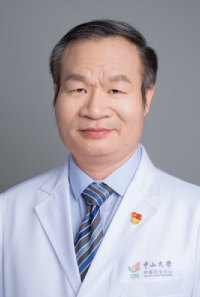
Prof. Hai-Qiang Mai
Sun Yat-sen University Cancer Center
Comprehensive treatment of nasopharyngeal cancer, including chemoradiotherapy and immunotherapy
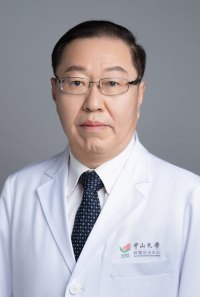
Prof. Li Zhang
Sun Yat-sen University Cancer Center
Drug treatment of nasopharyngeal cancer and lung cancer, including chemotherapy and immunotherapy
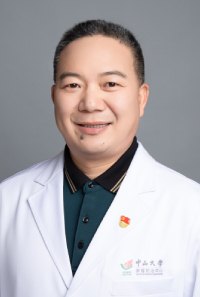
Prof. Jian-Hua Fu
Sun Yat-sen University Cancer Center
Surgery and multimodality treatment of esophageal cancer
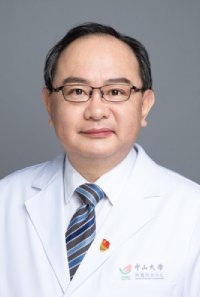
Prof. Ming Shi
Sun Yat-sen University Cancer Center
Liver cancer treatment, including hepatic arterial infusion chemotherapy (HAIC) and combination therapy
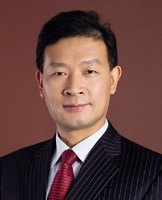
Prof. Rui-Hua Xu
Sun Yat-sen University Cancer Center
Drug treatment of stomach and other gastrointestinal cancers
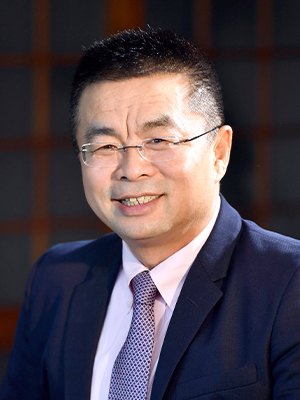
Prof. Jiafu Ji
Peking University Cancer Hospital
Surgery and multimodality treatment of stomach cancer
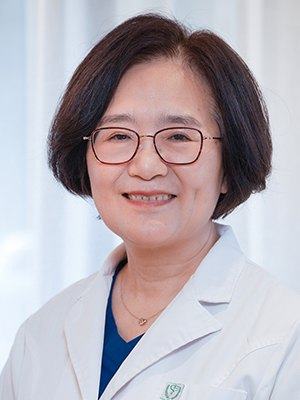
Prof. Lin Shen
Peking University Cancer Hospital
Drug treatment of stomach and other gastrointestinal cancers, including immunotherapy and CLDN18.2 CAR-T therapy
Prof. He Huang
The First Affiliated Hospital, Zhejiang University School of Medicine
CAR-T cell therapy and stem cell transplantation for leukaemia, lymphoma and multiple myeloma
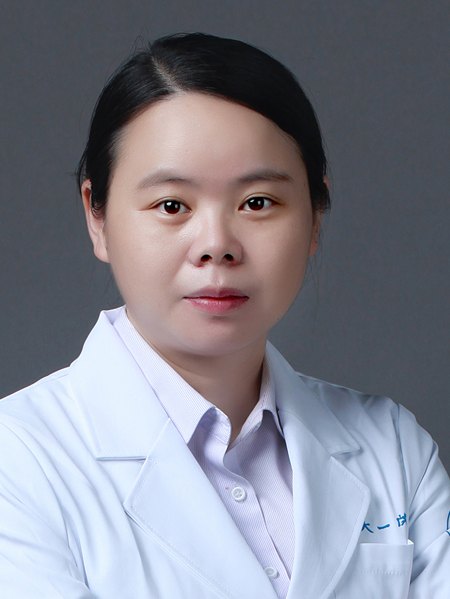
Dr. Yongxian Hu
The First Affiliated Hospital, Zhejiang University School of Medicine
CAR-T cell therapy and allogeneic stem cell transplantation for blood cancers
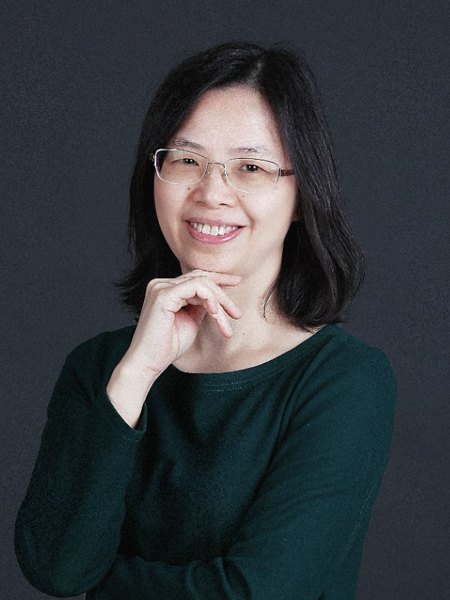
Dr. Lin Kong
Shanghai Proton and Heavy Ion Center
Proton and carbon ion therapy for head and neck cancers, including recurrent nasopharyngeal cancer, and brain tumours
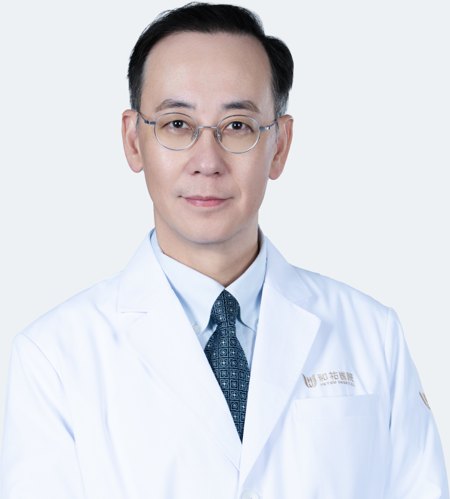
Prof. Jiade J. Lu
Heyou International Hospital, Foshan
Proton and carbon ion radiotherapy, including re-irradiation of recurrent head and neck cancers
Partner hospitals
Sun Yat-sen University Cancer Center
A specialist cancer hospital in Guangzhou, founded in 1964, with an International Medical Center for overseas patients.
Nasopharyngeal cancer · Esophageal cancer · Liver cancer · Stomach cancer · Immunotherapy and Chinese PD-1 drugs
Peking University Cancer Hospital
A specialist cancer hospital in Beijing, founded in 1976, known for gastrointestinal cancers and for leading Chinese trials of new drugs and cell therapies.
Stomach cancer · CAR-T cell therapy (including CLDN18.2 CAR-T for stomach cancer) · Immunotherapy and Chinese PD-1 drugs
The First Affiliated Hospital, Zhejiang University School of Medicine
One of China's leading general hospitals, founded in 1947 in Hangzhou. Its Bone Marrow Transplantation Center runs one of China's best-known CAR-T programmes.
Shanghai Proton and Heavy Ion Center
Opened in May 2015, the first medical institution in China to offer both proton and carbon ion radiotherapy.
Proton and carbon ion therapy · Nasopharyngeal cancer (including recurrence after radiotherapy)
Heyou International Hospital, Foshan
A non-profit Grade III general hospital in Shunde, Foshan, opened in June 2024. Its proton and carbon ion centre is being commissioned; the consultation clinic is already open.
All cancer hospitals in our directory · Cancer treatment costs in China
Questions patients ask first
Do I have to travel to China to get an opinion?
No. You send your records online and the specialist writes the opinion from them. You decide afterwards whether to come to China for treatment.
How much does the written opinion cost, and how long does it take?
US$199. The specialist's written opinion arrives within 5 working days of receiving your complete records, with a cost estimate for treatment in China. If the specialist cannot accept your case or your records are not enough for an opinion, you get a full refund. More about the written opinion.
Which records do I need?
Usually the pathology report, recent imaging (CT, MRI or PET-CT, ideally with the images) and a summary of the treatment so far. A medical coordinator replies within 24 hours and tells you exactly what the specialist needs.
I do not speak Chinese. How will I communicate?
Our coordinators work in English and Russian, and the written opinion is in English. In China, a medical interpreter can go with you to appointments. How it works.
Are you part of a hospital?
No. We are an independent coordination service. We connect you with named specialists at the hospitals listed on this site and arrange your care there.
Not sure where to start?
Send us your records. A medical coordinator will reply within 24 hours and explain your options.
Get a specialist opinion